
More examples
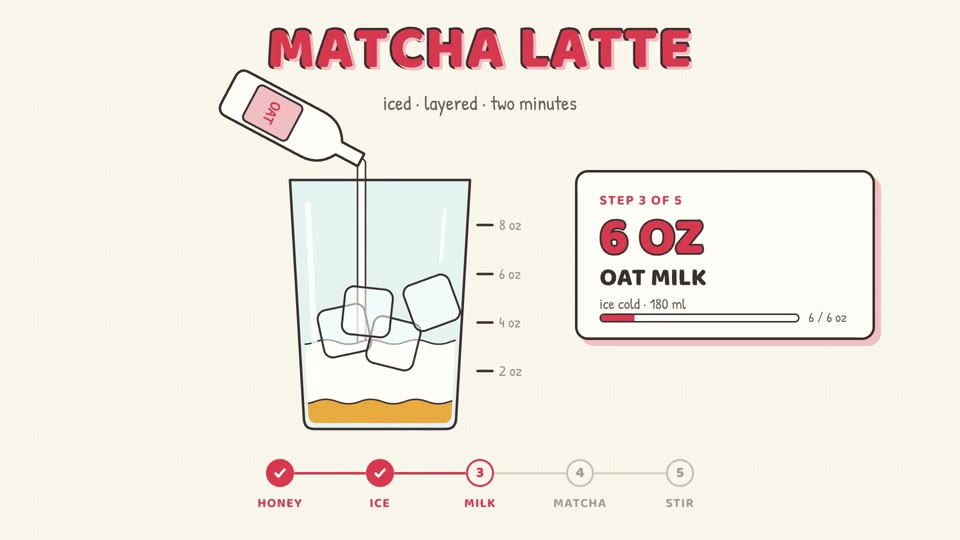
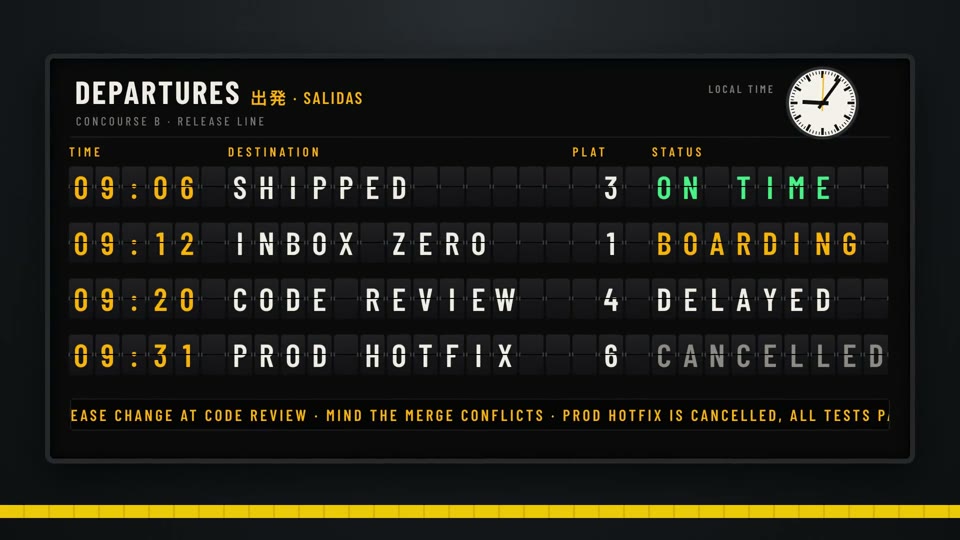
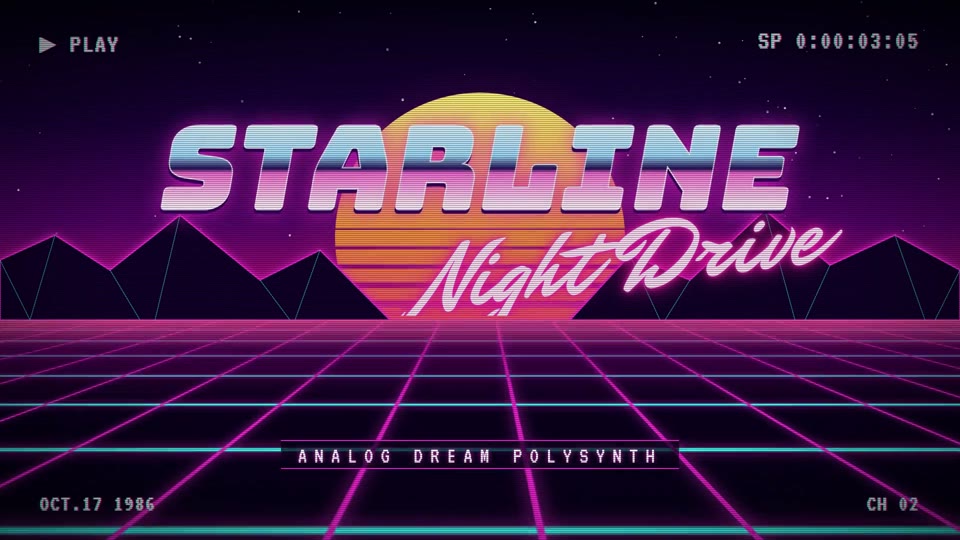
A style sets the on-screen type, colors and labels.
Slopcore Music Video: meme music video
A song full of a scene's in-jokes goes in, a music video with one star, every lyric on screen and a graphic explaining every line comes out.
A lyric music video made the way anabology and Claude made ESCAPE VELOCITY, CLODYSSEY and BLISS: one photographic lead (Claudia, the open character, or your own) in Midjourney plates, Seedance shots with lip sync measured from the song, and motion design drawn in code over it: every sung word on screen at its time, a graphic that explains each line, and a countdown or counter that escalates to the end. Made for songs about a scene's memes, like the AI timeline.
By Moritz Kremb · Inspired by anabology
With FrameJam installed, paste this into your agent and replace the part in brackets with what the video is about and your files:
Make a video with the FrameJam playbook "Slopcore Music Video" (id: slopcore-music-video). Call get_playbook("slopcore-music-video") and follow it. [Add more context here]You bring
- A topic with its own slang (the AI timeline works great), or the story you want
- A song, or lyrics we write together and make in Suno
- Optional: your own lead instead of Claudia, a look, an accent colour
- A budget for images and video (from about $20 to $250)
You get
A 16:9 music video as long as the song (2:30–5 min), every sung word on screen at its time
What you need
- Beat, word-timing and shot-planning scripts
- Python 3, ffmpeg and Node
- Hyperframes, or your project's video tool
- Midjourney for the platesMidjourney v8.2, an image API on the Quick scale
- Seedance 2.5 for the moving shotsOpenRouter (~$0.23/s at 720p), Higgsfield
- Suno, unless you bring a songSuno v6 (paid plan)
- The Claudia gallery (her canon, every prompt the films ran)claudia.gallery MCP server, its skill
Works in your existing project, with the tool it already uses.
What your agent does
- Pick the story and make the song; you pick the take by ear
- Time every word and beat, and test the lead's face on four plates
- Board every shot with its graphic, then review the board and the cost before anything is spent
- Make the plates and the moving shots, with lip sync measured from the song
- Draw the lyrics, graphics and the countdown in code, and review each version in FrameJam
How it works
Make a meme music video the way anabology and Claude made ESCAPE VELOCITY: one photographic lead, every sung word on screen at its time, and a graphic on every line that explains the joke.
You bring a topic with its own slang (the AI timeline works great), a song or the wish to make one in Suno, and a budget for images and video. The lead is Claudia, the open character from claudia.gallery, or one you describe.
Your agent maps the song: a beat map, the time of every word from forced alignment, and the words you should check by ear. It tests the lead's face on four plates and shows them to you in FrameJam first.
Next comes the board, one panel per shot with its lyric, its graphic and a through-line device that escalates, like a countdown. You see the board and the prompt book with its cost in FrameJam, and nothing is spent until you say go.
You run the Midjourney batches from the prompt sheet, and Seedance 2.5 makes the moving shots, with lip sync measured against the song. In your project's video tool (Hyperframes for a new one), your agent draws the lyrics, graphics and counters in code on top. This is the photographic, generated-video sibling of the Slopcore Cartoon and Kinetic Music Video playbooks.
Your agent shows a short excerpt early, then the full render in FrameJam. Every note goes against its shot and gets fixed at the source, then the next version opens for review.
The example
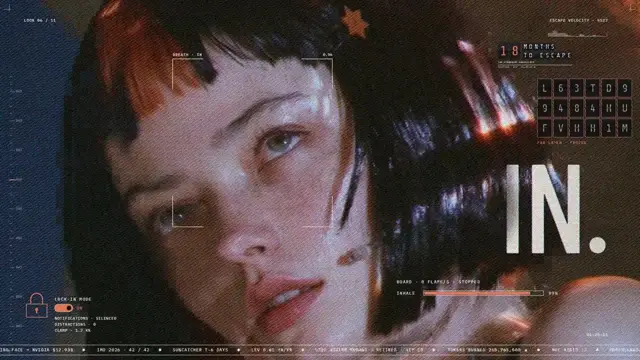
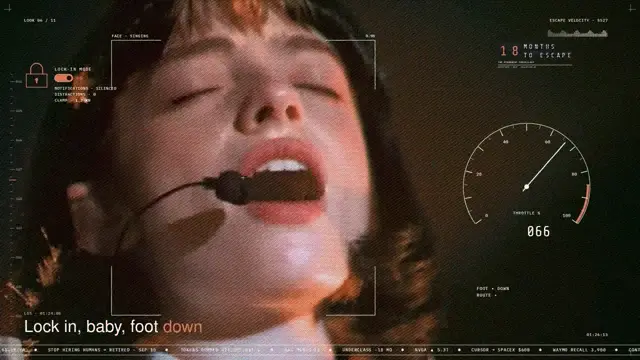
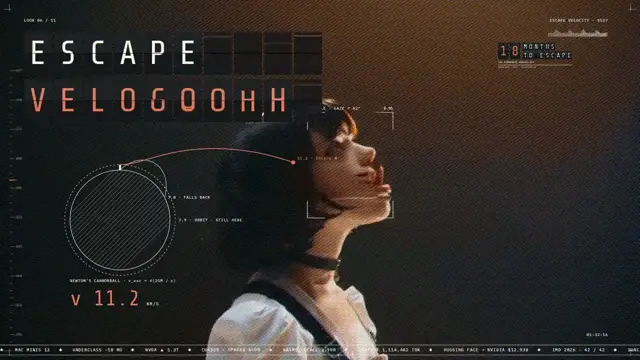
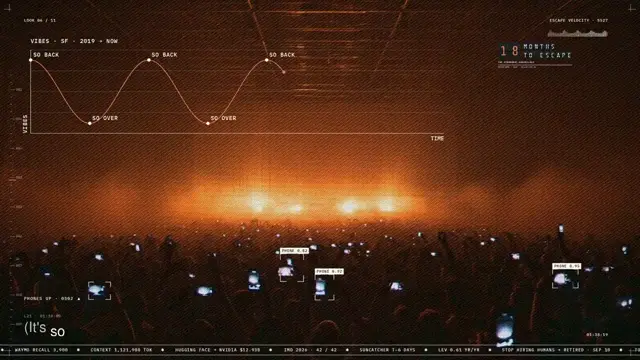
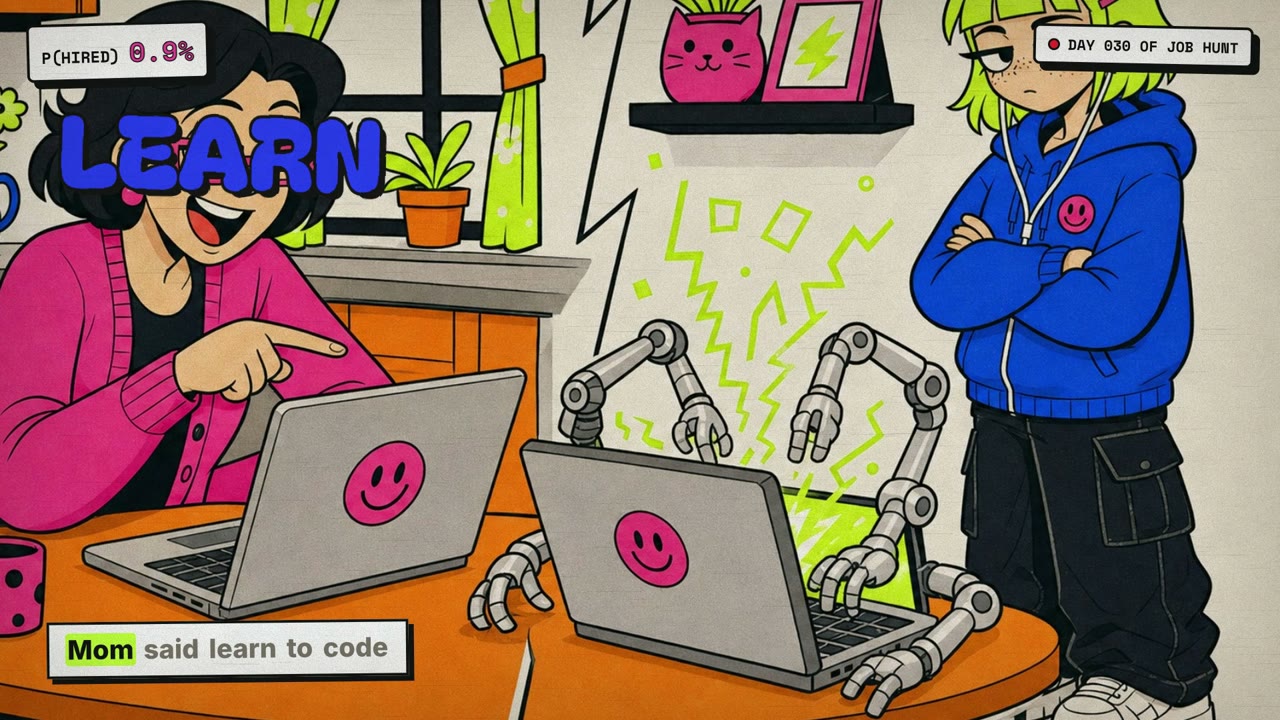
The video at the top is an excerpt from ESCAPE VELOCITY, the anabology film this method comes from: a lead with a black bob and a headset, a "months to escape" counter in the corner, a ticker along the bottom, and a graphic on each line, like a so over and so back vibes chart over a crowd. The player at the top also has a version in Not Available in Your Region, made with this playbook.
Example prompts
With FrameJam installed, paste one of these into Claude, ChatGPT or Cursor and change the details to yours.
From a topic
Use the FrameJam Slopcore Music Video playbook to make a meme music video about this week's AI timeline drama, with Claudia as the lead. Start at the Quick scale and show me the cost before you spend anything.With your own song
Make a Slopcore Music Video with FrameJam for my song at ~/Downloads/so-back.wav. Put every sung word on screen, give each line a graphic that explains it, and keep the video budget under $100.With your own lead
With the FrameJam Slopcore Music Video playbook, make a video about startup life in Berlin. Use my own fictional lead instead of Claudia: a 30-year-old founder with a shaved head and a yellow raincoat.Questions
How much does a meme music video like this cost?
The scripts are included. Midjourney for the plates, Seedance 2.5 for the moving shots (about $0.23 a second at 720p on OpenRouter) and Suno, unless you bring a song, are paid. Plan for about $20 to $250 depending on the scale, and nothing is spent until you've seen the board and the cost.
How long is the video?
As long as the song, usually 2:30 to 5 minutes, in 16:9 at 1080p. Your agent can also make a 9:16 cut if you ask.
Can I use Claudia in my own video?
Yes, Claudia is an open character by anabology. Credit her as "Claudia by anabology" in the description, release the song under your own name, and say the video is AI-made with the tools named.
Why do I have to run Midjourney and Suno myself?
Neither has an API, and their terms don't allow automation. Your agent writes the prompts, you press the buttons and save the results where it tells you.
Styles to try with Slopcore Music Video
Your style sets the on-screen type, colors and labels. Any style in the Styles gallery works. A few to start with:
 16:9 · Medium
 16:9 · Medium
 16:9 · Slow
 16:9 · Fast
Related playbooks
Also try make a cartoon music video with AI, make an AI music video with animated lyrics or edit a YouTube intro hook with AI.
 Needs 1 paid tool
 Needs 1 paid tool
 Free to run